
Root canal treatment (also known as endodontic treatment) is recommended when the nerve of your tooth becomes infected. The goal with treatment is to allow you to preserve the tooth (even though it may be reduced for the insertion of a post and for the placement of a crown over it) rather then having it taken out (extracted).Whenever a tooth is taken out (extracted) the space has to be filled or your other teeth will start to shift out of alignment and you will risk adverse periodontal (gum) issues and bite issues. Therefore root canal treatment helps you save your tooth rather than having it entirely replaced.
The center of each tooth is where the nerve tissue that supplies blood and nutrients is located. This area is protected by several layers of hard tooth structure that can be infiltrated by infection, decay, fracture, or trauma (such as a blow or hit to the mouth effecting the tooth) such that the nerve can be effected causing sensitivity or pain. Sometimes no pain is experienced but the infection is still a dental problem that cannot be ignored.
The procedure involves removing the space inside the hard layers which is called the root canal system, which is made up of nerve tissue and blood vessels also referred to as soft dental pulp. By removing this the tooth will no longer feel normal sensations or temperature or pain. Additionally, without the blood vessels the tooth will become brittle and fragile which is why a post (helps support a crown) and a crown will be recommended to restore the tooth so it can be preserved and useful. The restoration of the tooth will fix the tooth to look, feel and work like a natural tooth. Note some dentists may recommend or some patients may choose to have a permanent filling done on a root canal treated tooth instead of a a post and crown restoration this choice should be discussed in terms of the benefits and disadvantages involved with the treated tooth. Also sometimes the root canal treated tooth may be involved in a larger restorative treatment plan involving crown and bridge work.
Dr. Davis performs root canal treatment routinely. This is a common procedure that unfortunately many patients will require in the course of their lifetime at least once or possibly more than once. The procedure may be completed in one appointment but more often it involves at least two appointments. Discomfort if present is usually relieved after your first visit and the root canal treatment is usually completed at the second visit, but sometimes prior to completing the root canal treatment an additional visit/s may be needed to reassess the tooth.
What you should know after root canal treatment and restorative treatment is that a root canal treated tooth can still get a cavity or have periodontal (gum) problems and can still be damaged requiring other treatments (for example restorative crown on root canal treated tooth may fracture and new crown may be required) or even an extraction for other reasons unrelated to root canal treatment (for example due to periodontal disease or decay). Good oral hygiene and routine dental cleanings and check ups are still essential to the longevity of a root canal treated and restored tooth. Also it is important to note that most root canal treatments are successful. But in some cases, retreatment, that is, a second root canal treatment is needed, or root canal surgery may be required to remove a portion of the remaining tooth, or an extraction may be required if the tooth is fractured such that it cannot be saved.
Dr. Davis uses skillful techniques to complete root canal treatment with minimal or even no discomfort. Additionally, Dr. Davis is able to proceed with the restoration of the tooth.
Diagnostic Services
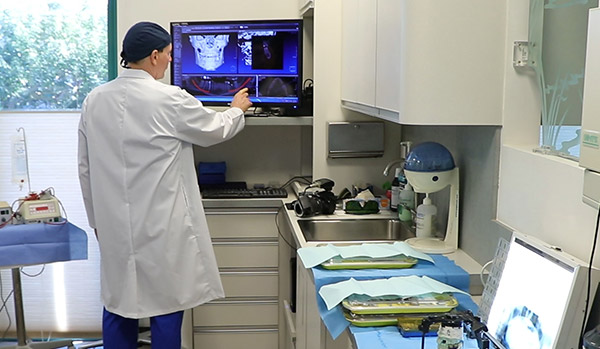
- Recommendation of diagnostic xrays.
- Checking for areas of concern or discomfort.
- Assessment of periodontal issues (health of the gums).
- Noting any bite issues.
- Discussing possible cosmetic enhancements to your smile.
- Discussing if applicable causes related to bad breath.
- Discussing the benefits of oral cancer screening.
Preventative Services
- Dental cleaning of the surfaces of teeth.
- Removal of surface stains from teeth.
- Recommendation of sealants to prevent decay on the biting surfaces of teeth which if patient consents can be done at the cleaning appointment most times.
- Fluoride Rinse offered.
- Polish teeth.

Educational Services
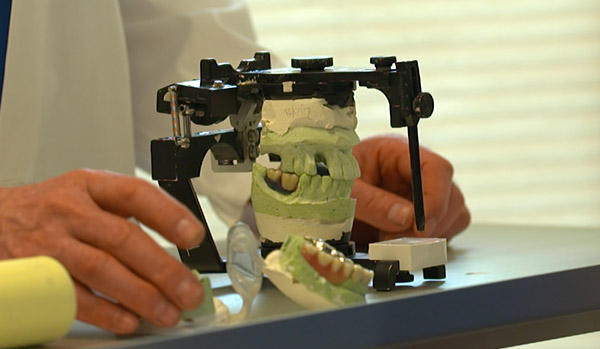
- Educational Video Programs available on a number of subject matters and as applicable shown and discussed.
- Healthy and/or unhealthy dental eating habits discussed.
- Instruction in proper tooth brushing and flossing.
- Discussion on recommended treatments for a healthier mouth and/or more beautiful smile.